
How Peanuts Changed Comics: Schulz’s Art of Silence and Imagination
The quiet brilliance of Charles Schulz’s Peanuts—how creative panel design, unseen characters, and visual gags reshaped comics forever

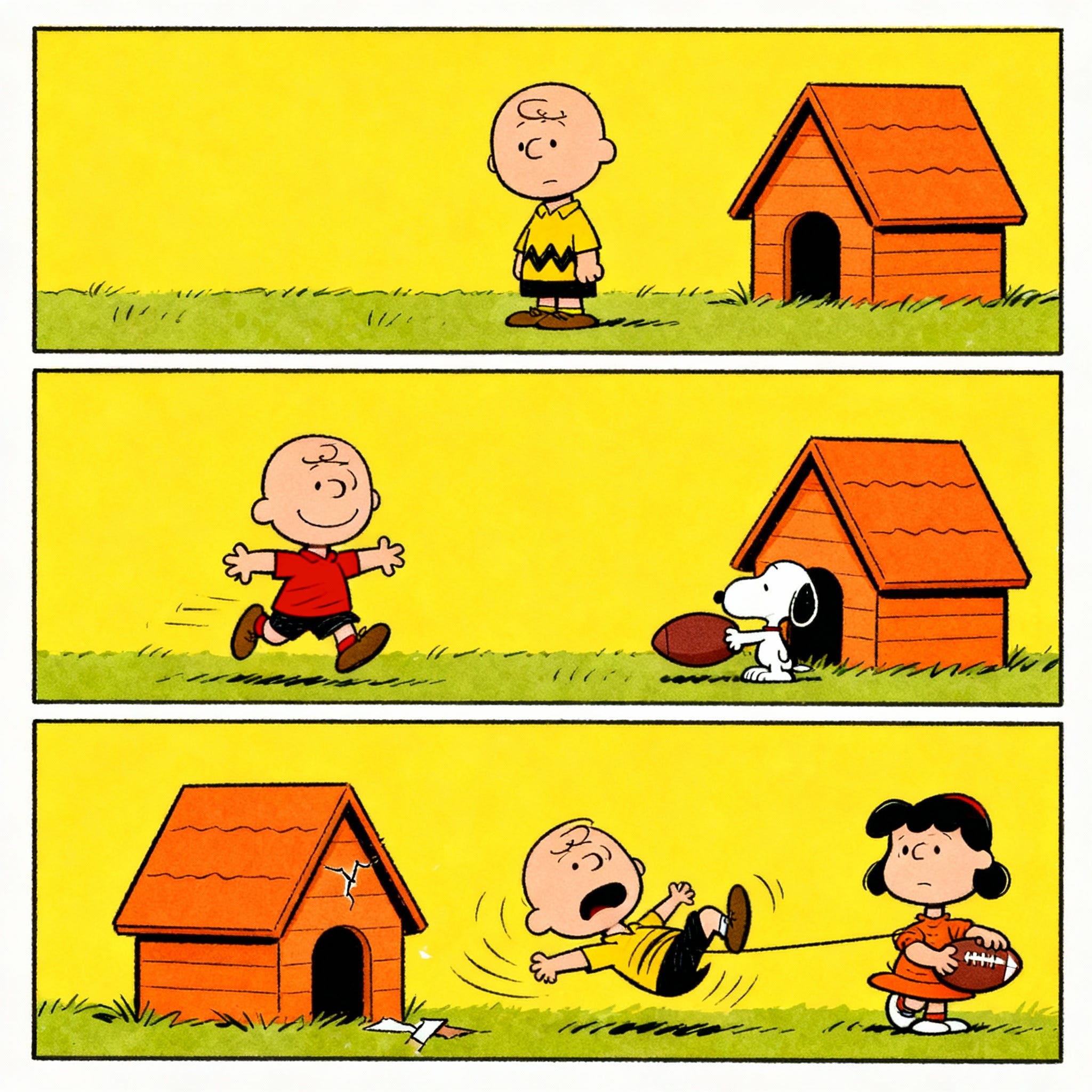
When Charles Schulz launched Peanuts on October 2, 1950, he created more than just a comic strip—he built a world where silence, absence, and vivid imagination quietly shaped readers’ hearts. Schulz’s mastery lay not only in punchlines, but in the nuanced ways he used visual gags and creative devices to make the ordinary extraordinary.
The Language of Silence
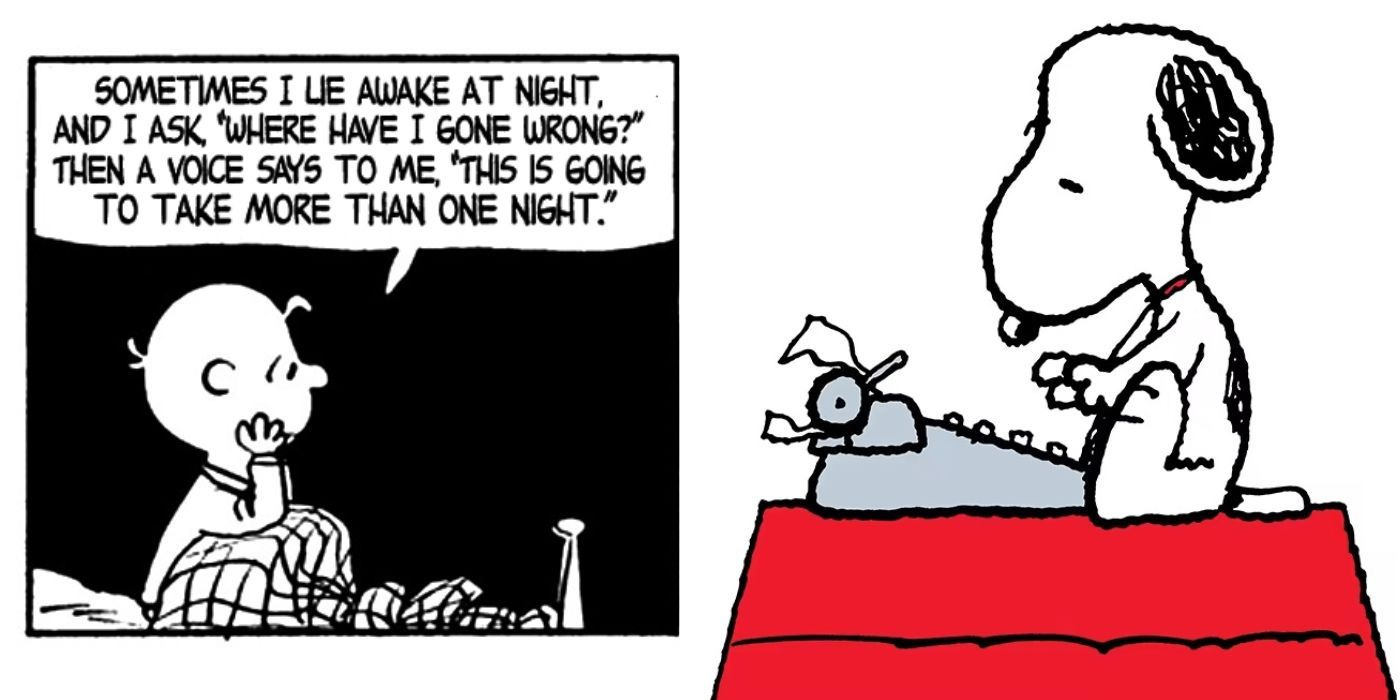
Some of Peanuts’ most powerful moments unfold in the absence of words. Schulz understood the emotional heft of lingering silence—a pause after Lucy pulls the football away, a solitary Charlie Brown against a vast, empty sky. These quiet panels aren’t filler; they’re an invitation. Through visual stillness, readers share in the sadness, hope, and resilience of the characters, feeling the ache of the everyday.
The Little Red-Haired Girl: Unseen, Yet Ubiquitous

Charlie Brown’s affection for the little red-haired girl endures as one of comic history’s bravest storytelling devices. Schulz never actually drew her, yet her presence loomed large—embodying all our unreachable longings and hopes. In depicting love as something unseen but deeply felt, Schulz trusted readers to fill in the spaces with their own dreams and disappointments.
Snoopy’s Doghouse: Imagination Unleashed
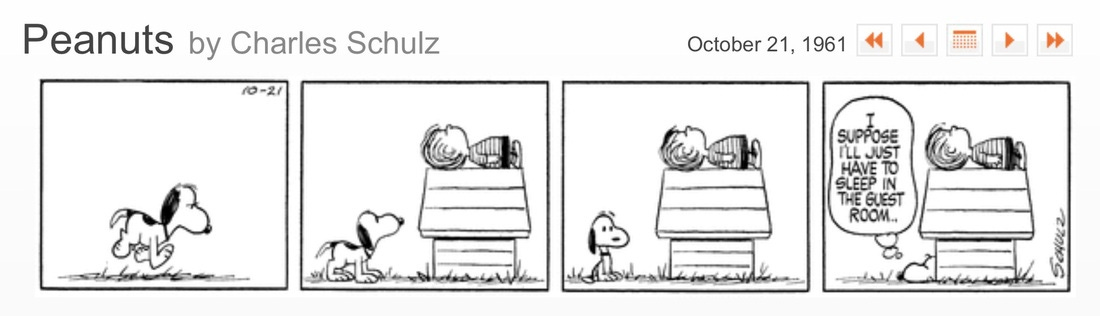
From the outside, Snoopy’s doghouse is just a humble box. Inside, though, lies an impossible universe—billiards tables, classic paintings, a hall for epic World War I flying ace exploits. Schulz played with cartoon physics, expanding the boundaries of visual storytelling. This whimsical take on space and reality became a playground for the imagination and a perfect representation of childhood’s infinite possibilities.
Schulzian Symmetry: The Beat of Emotion

Every Peanuts strip followed Schulz’s unique rhythm—balanced panels, meticulous hand lettering, and punchlines that strolled in quietly, but lingered long after. This discipline gave the gags emotional punch, setting up comic beats that could just as easily land with laughter as with a sigh.
Shaping Cartooning Forever
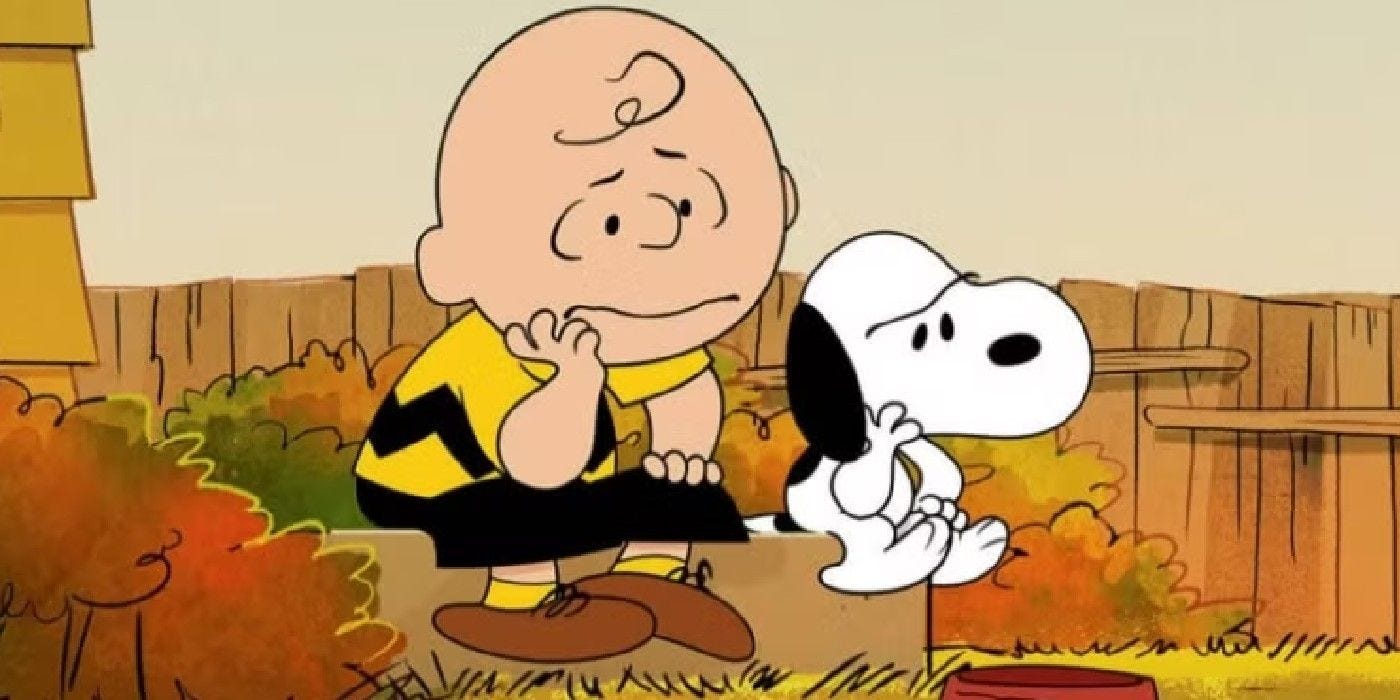
Schulz’s artistic choices—the deliberate silences, the visual gags both seen and unseen—have shaped generations of cartoonists. He showed that comics could deliver humor and heartbreak in a few simple lines, that resonance could bloom from absence as much as presence.
When readers revisit Peanuts, they find themselves in a place where sorrow and silliness share space; where every pause or unseen character is an invitation into Schulz’s deeply human world. It’s why, decades later, Peanuts remains not just a comic strip, but a quiet revolution—told in ink, silence, and the gleam of wild imagination.